Research
Vytal Experience At Scale
Deep Expertise Across Science, Engineering, and Commercialization
The eSensorem team combines deep domain expertise in wearable biosensors, electrochemical sensing, AI-driven analytics, and product commercialization. Our scientific leadership has pioneered multi-biomarker sweat sensing technologies, supported by over a decade of research and significant academic funding.
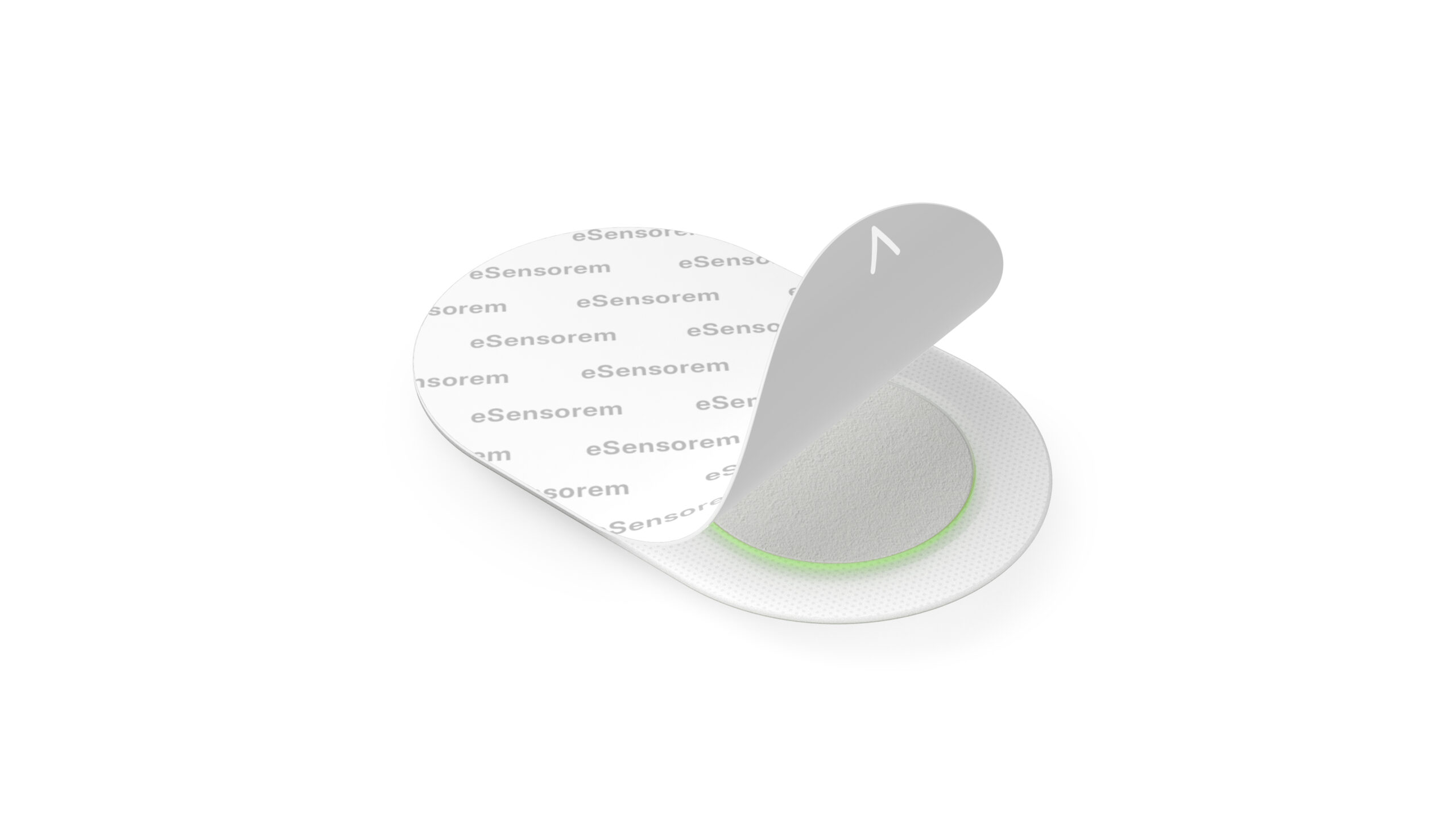
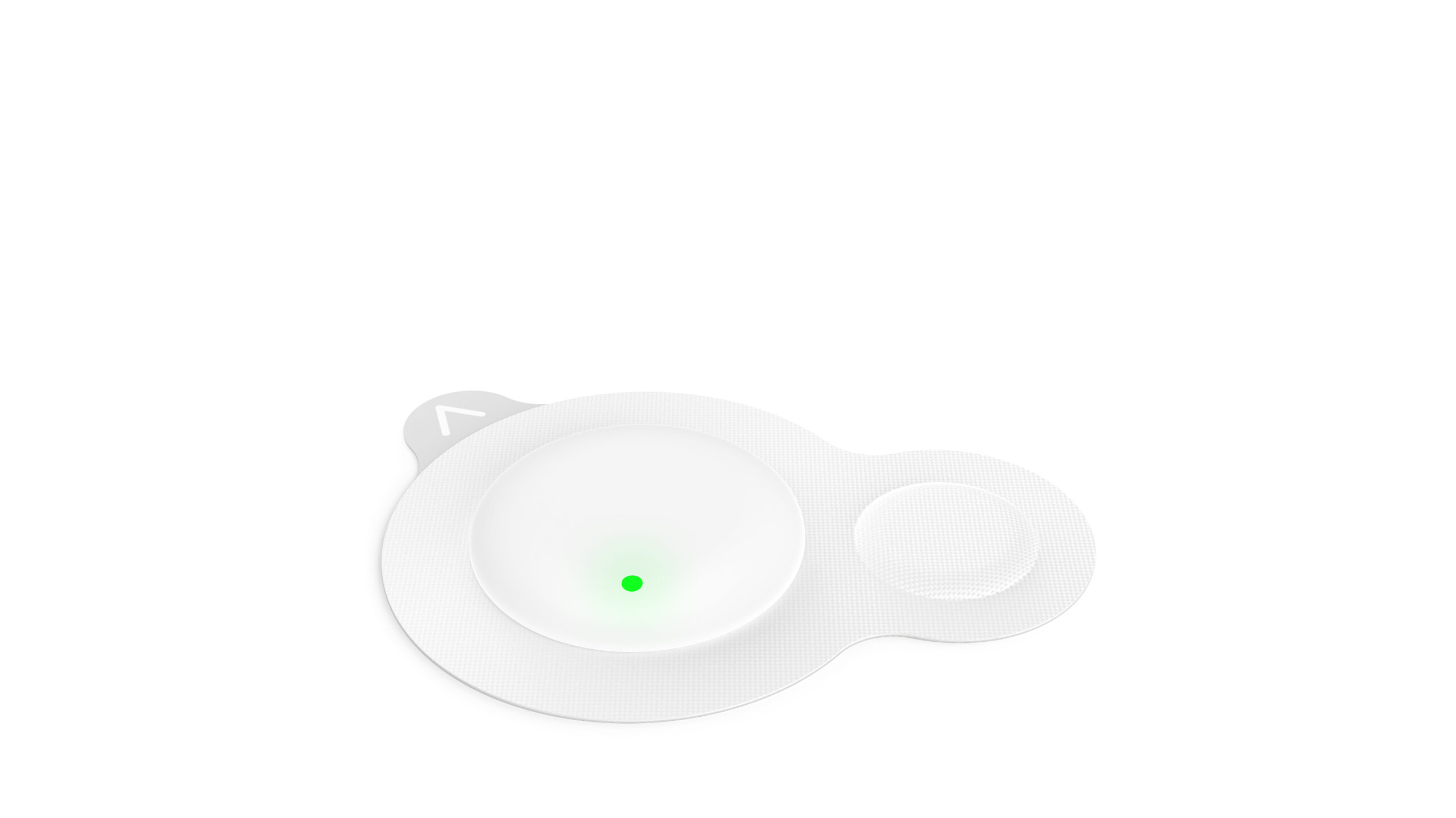
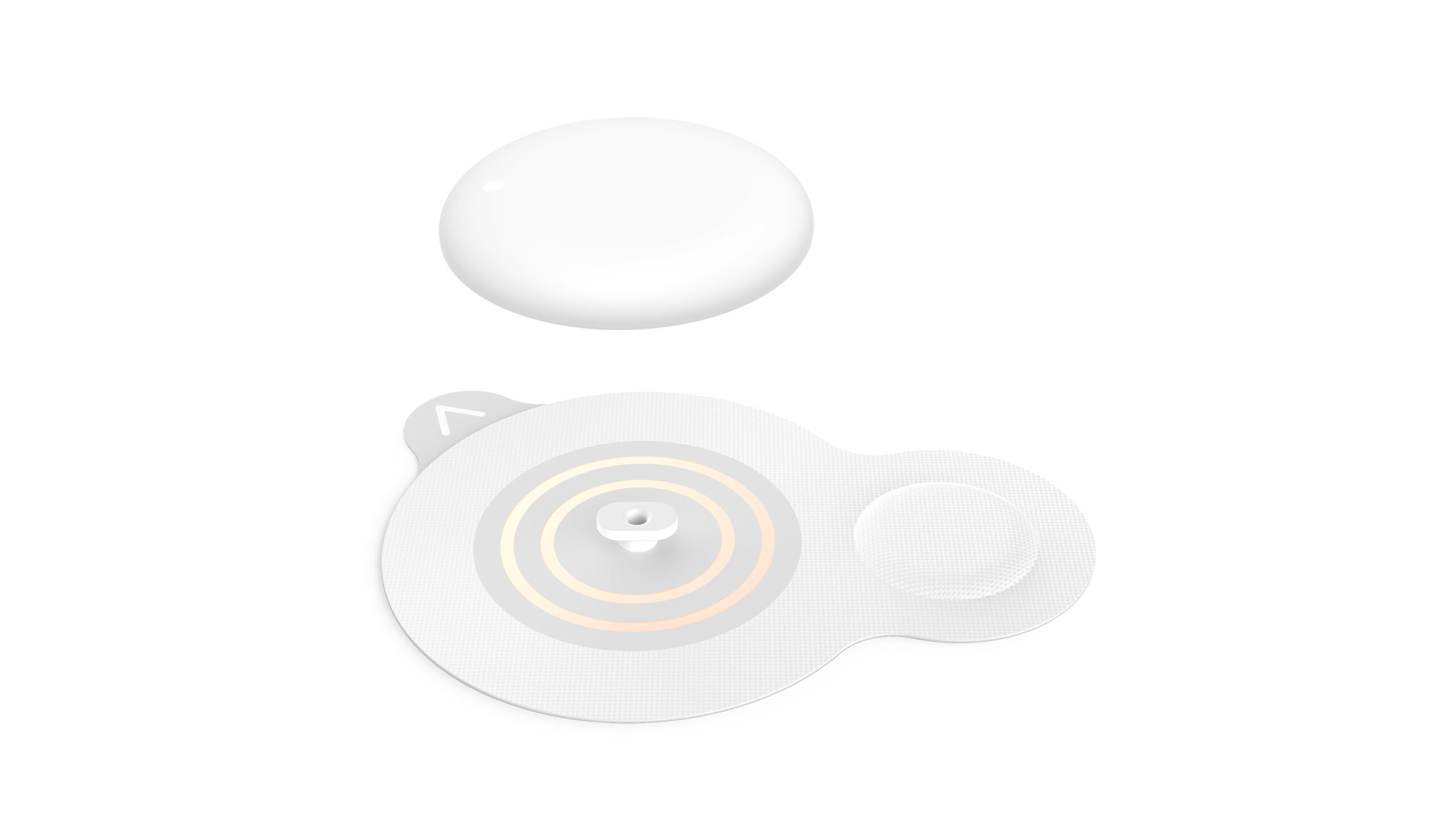
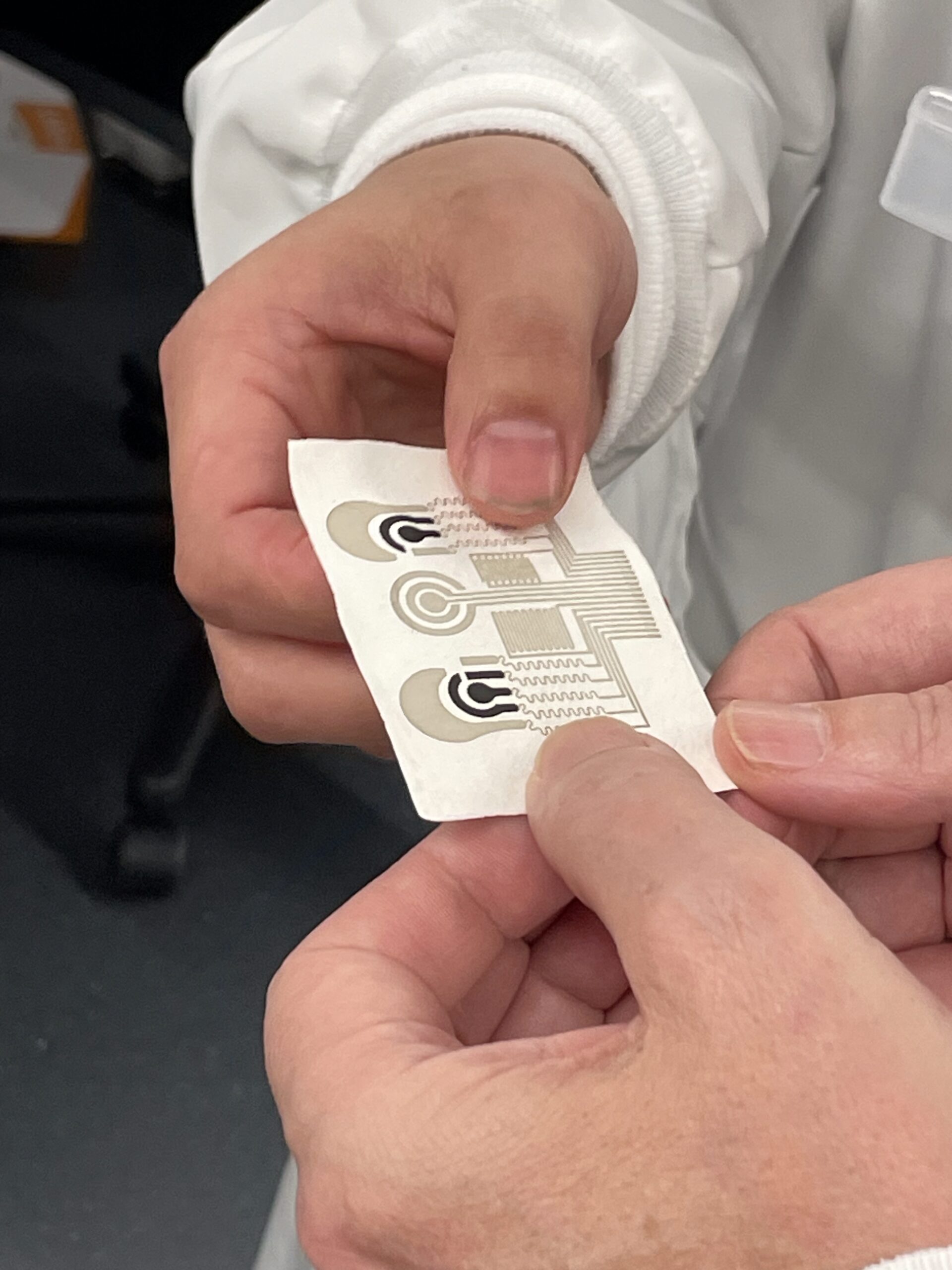
Vytal’s platform is built on more than a decade of research in proprietary, biocompatible sensor technology, leveraging advances in transepidermal water loss (TEWL), microfluidics, and lab-on-a-chip innovation. Our R&D efforts are led by Yangzhi Zhu, a leader in wearable bioelectronics, in collaboration with our Chief Technology Officer Gregor Berkowitz, who brings decades of Silicon Valley experience in translating breakthrough technologies into commercial successes across medical, diagnostic and consumer sectors. Together, they are refining and validating our multi-analyte biosensor to deliver non-invasive, real-time metabolic health insights, at scale.
Our executive team brings extensive experience from leading technology companies and high-growth startups, with a track record of building and scaling complex products across healthcare and consumer markets. Together, we are bridging the gap between advanced research and scalable, real-world health solutions.
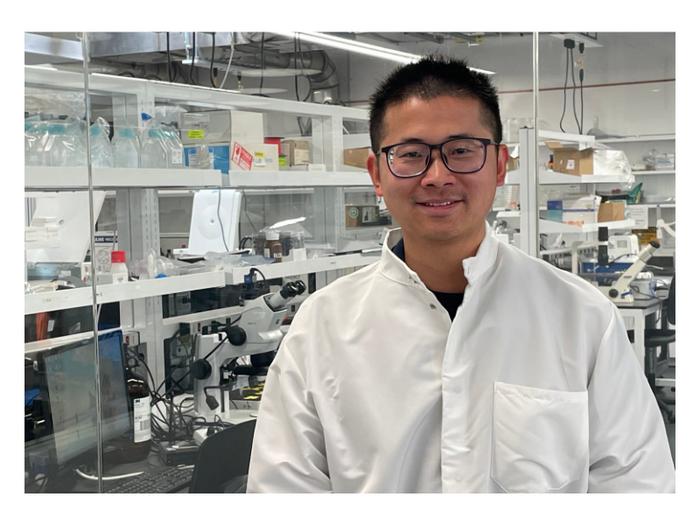
Chief Scientist Yangzhi Zhu PhD.
Dr. Yangzhi Zhu is Chief Scientist at eSensorem and Principal Investigator at the Terasaki Institute for Biomedical Innovation (TIBI), where he leads pioneering research in wearable bioelectronics, biomaterials, and biosensing systems for continuous, non-invasive health monitoring. His work is focused on creating next-generation technologies that can seamlessly integrate with the human body to provide real-time biological insight and enable earlier, more personalized intervention.
Dr. Zhu earned his PhD in Chemical Engineering from the University of California, Riverside, and completed his postdoctoral training in nanoengineering at the University of California, San Diego. He has published in many of the world’s leading scientific journals, including Nature Biomedical Engineering, Nature Electronics, Nature Communications, Science Advances,and Science Translational Medicine。
At TIBI, Dr. Zhu leads an interdisciplinary research group working at the intersection of materials science, electrochemistry, bioengineering, and translational medicine. His lab develops wearable and biointegrated platforms that monitor important physiological and biochemical signals across multiple biofluids, including sweat, interstitial fluid, saliva, and tears. The goal of this work is to make health monitoring more continuous, accessible, and clinically actionable.
His research has produced innovations in electronic skin, microfluidic biosensors, lab-on-a-chip systems, and smart contact lens technologies for real-time physiological monitoring and responsive therapeutic delivery. These advances are helping lay the foundation for a new era of precision health, in which diseases can be detected earlier, monitored more closely, and managed more effectively through low-burden, real-world technologies.
In recognition of his contributions, Dr. Zhu received the 2024 NARSAD Young Investigator Award for his contributions to smart materials and wearable technologies, 2025 Biosensors Young Investigator Award for excellence in flexible biosensor development and electronic skin platforms, the 2026 ACS Materials Au Rising Star, and the 2026 American Heart Association (AHA) Career Development Award supporting research in organ health assessment and biosensing-driven diagnostics and .
Through his scientific leadership and translational vision, he is helping shape a future in which bioelectronic technologies bring proactive, personalized care closer to everyday life.
Dr. Yangzhi Zhu Selected Publications
Full Research List of Dr. Yangzhi Zhu
Google Scholar Citations (Updated)
|
Technology roadmap for flexible sensors Y Luo, MR Abidian, JH Ahn, D Akinwande, AM Andrews, M Antonietti, …
ACS nano 17 (6), 5211-5295
|
1282 | 2023 |
|
Additively manufactured metallic biomaterials E Davoodi, H Montazerian, AS Mirhakimi, M Zhianmanesh, O Ibhadode, …
Bioactive Materials 15, 214-249
|
286 | 2022 |
|
C Wang, X Jiang, HJ Kim, S Zhang, X Zhou, Y Chen, H Ling, Y Xue, …
Biomaterials 285, 121479
|
206 | 2022 |
|
Capillary-force-assisted clean-stamp transfer of two-dimensional materials X Ma, Q Liu, D Xu, Y Zhu, S Kim, Y Cui, L Zhong, M Liu
Nano letters 17 (11), 6961-6967
|
178 | 2017 |
|
Stretchable ultrasonic arrays for the three-dimensional mapping of the modulus of deep tissue H Hu, Y Ma, X Gao, D Song, M Li, H Huang, X Qian, R Wu, K Shi, H Ding, …
Nature Biomedical Engineering 7 (10), 1321-1334
|
138 | 2023 |
|
A photoacoustic patch for three-dimensional imaging of hemoglobin and core temperature X Gao, X Chen, H Hu, X Wang, W Yue, J Mu, Z Lou, R Zhang, K Shi, …
Nature Communications 13 (1), 7757
|
133 | 2022 |
|
Y Zhu, R Haghniaz, MC Hartel, S Guan, J Bahari, Z Li, A Baidya, K Cao, …
Advanced Materials 35 (10), 2209300
|
122 | 2023 |
|
Lab‐on‐a‐Contact lens: Recent advances and future opportunities in diagnostics and therapeutics Y Zhu, S Li, J Li, N Falcone, Q Cui, S Shah, MC Hartel, N Yu, P Young, …
Advanced Materials 34 (24), 2108389
|
120 | 2022 |
|
S Peng, X Wu, X Yan, L Gao, Y Zhu, D Zhang, J Li, Q Wang, G He
Journal of Materials Chemistry A 6 (9), 3895-3905
|
120 | 2018 |
|
H Liu, S Zhang, Z Li, TJ Lu, H Lin, Y Zhu, S Ahadian, S Emaminejad, …
Matter 4 (9), 2886-2901
|
118 | 2021 |
|
S Karamikamkar, EP Yalcintas, R Haghniaz, NR de Barros, M Mecwan, …
Advanced Science 10 (23), 2204681
|
115 | 2023 |
|
Smart contact lenses for biosensing applications X Ma, S Ahadian, S Liu, J Zhang, S Liu, T Cao, W Lin, D Wu, …
Advanced Intelligent Systems 3 (5), 2000263
|
112 | 2021 |
|
Organ‐on‐a‐chip models of the blood–brain barrier: recent advances and future prospects S Kawakita, K Mandal, L Mou, MM Mecwan, Y Zhu, S Li, S Sharma, …
Small 18 (39), 2201401
|
109 | 2022 |
|
High external-efficiency nanofocusing for lens-free near-field optical nanoscopy S Kim, N Yu, X Ma, Y Zhu, Q Liu, M Liu, R Yan
Nature Photonics 13 (9), 636-643
|
105 | 2019 |
|
State of the art in integrated biosensors for organ-on-a-chip applications Y Zhu, K Mandal, AL Hernandez, S Kawakita, W Huang, P Bandaru, …
Current Opinion in Biomedical Engineering 19, 100309
|
102 | 2021 |
|
Tissue adhesive hemostatic microneedle arrays for rapid hemorrhage treatment R Haghniaz, HJ Kim, H Montazerian, A Baidya, M Tavafoghi, Y Chen, …
Bioactive Materials 23, 314-327
|
81 | 2023 |
|
Recent developments in mussel-inspired materials for biomedical applications NR Barros, Y Chen, V Hosseini, W Wang, R Nasiri, M Mahmoodi, …
Biomaterials science 9 (20), 6653-6672
|
75 | 2021 |
|
Ion conductive mechanisms and redox flow battery applications of polybenzimidazole-based membranes Y Chen, P Xiong, S Xiao, Y Zhu, S Peng, G He
Energy Storage Materials 45, 595-617
|
74 | 2022 |
|
Y Zhu, MC Hartel, N Yu, PR Garrido, S Kim, J Lee, P Bandaru, S Guan, …
Small Methods 6 (1), 2100900
|
71 | 2022 |
| A wearable echomyography system based on a single transducer |
we are
A core technology between humans and their metabolic health.
© Copyright eSensorem 2026